Controller Motor Blower
Welcome to Leader in Industrial Solution since 2005


Welcome to Leader in Industrial Solution since 2005
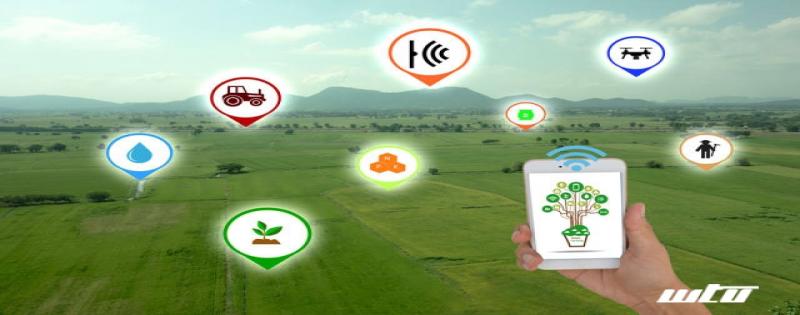
Smart farming and precision agriculture involve the integration of advanced technologies into existing farming practices in order to increase production efficiency and the quality of agricultural products. As an added benefit, they also improve the quality of life for farm workers by reducing heavy labor and tedious tasks.
“What will a farm look like in 50 to 100 years?” is the question posed by David Slaughter, a professor of biological and environmental engineering at UC Davis. “We have to address population growth, climate change and labor issues, and that has brought a lot of interest to technology.”
Just about every aspect of farming can benefit from technological advancements—from planting and watering to crop health and harvesting. Most of the current and impending agricultural technologies fall into three categories that are expected to become the pillars of the smart farm: autonomous robots, drones or UAVs, and sensors and the Internet of Things (IoT).
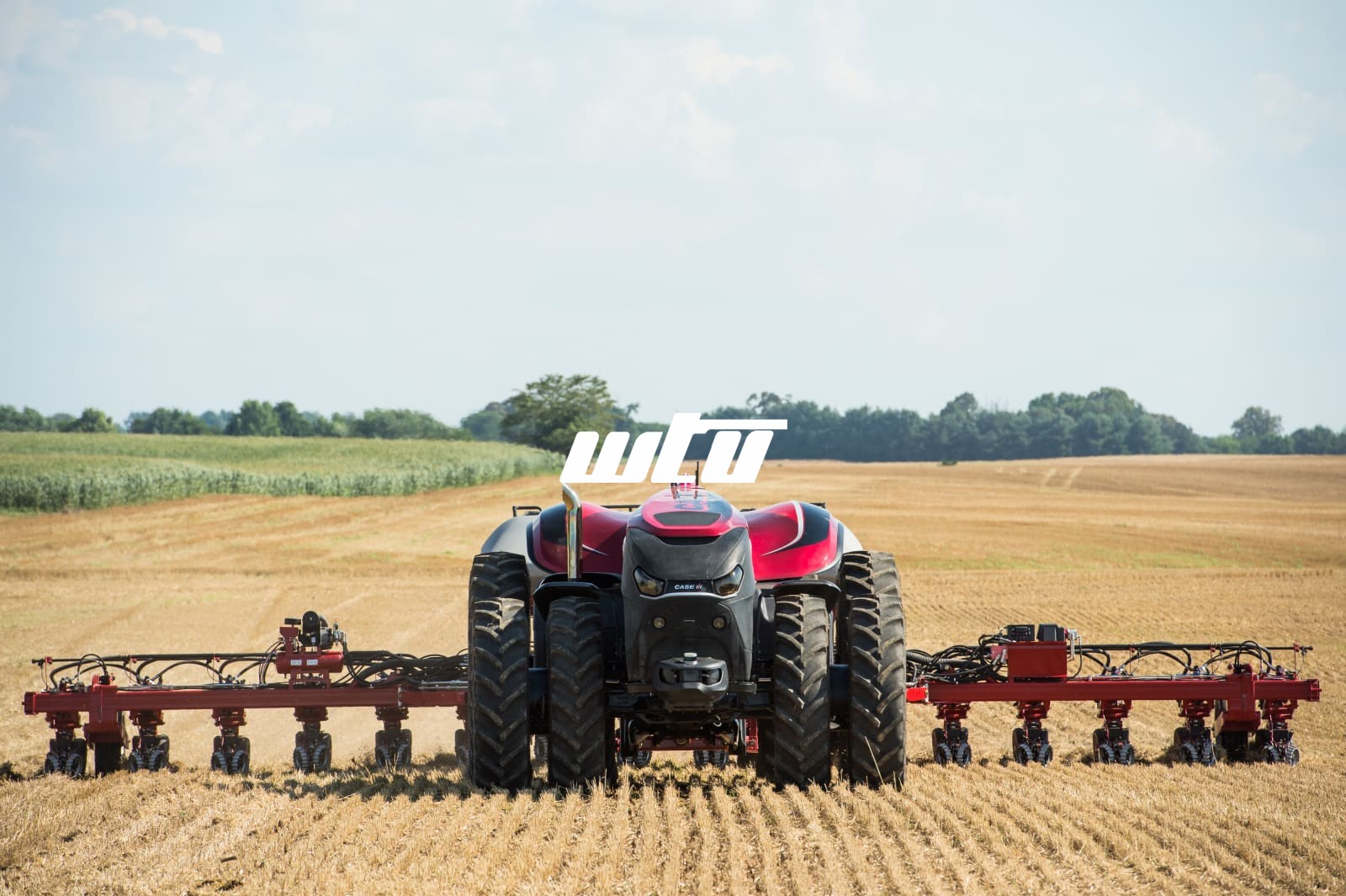
The tractor is the heart of a farm, used for many different tasks depending on the type of farm and the configuration of its ancillary equipment. As autonomous driving technologies advance, tractors are expected to become some of the earliest machines to be converted.
In the early stages, human effort will still be required to set up field and boundary maps, program the best field paths using path planning software, and decide other operating conditions. Humans will also still be required for regular repair and maintenance.
Nevertheless, autonomous tractors will become more capable and self-sufficient over time, especially with the inclusion of additional cameras and machine vision systems, GPS for navigation, IoT connectivity to enable remote monitoring and operation and radar and LiDAR for object detection and avoidance. All of these technological advancements will significantly diminish the need for humans to actively control these machines.
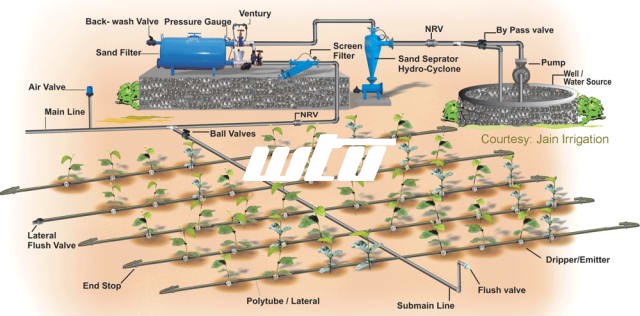
Subsurface Drip Irrigation (SDI) is already a prevalent irrigation method that allows farmers to control when and how much water their crops receive. By pairing these SDI systems with increasingly sophisticated IoT-enabled sensors to continuously monitor moisture levels and plant health, farmers will be able to intervene only when necessary, otherwise allowing the system to operate autonomously.